AGP Executive Report
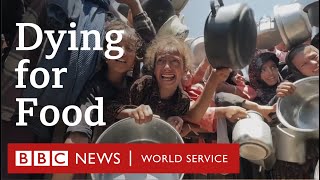
Last update: 2 days agoIn the last 12 hours, coverage heavily centers on Gaza’s constrained humanitarian access and on political blowback tied to Israel/Palestine. UN humanitarians said 2.1 million people in Gaza remain confined to less than half of the strip, unable to reach parts of Gaza with land reserves and critical facilities, and unable to travel abroad or access the West Bank for specialized healthcare; the UN also links the situation to restrictions on critical items and humanitarian partners’ operations. Alongside this, multiple stories reflect how campus and public institutions are responding to Israel-related speech and claims: Rutgers canceled a commencement speaker’s invitation over an “inflammatory” tweet alleging Israel “train[s] dogs to sexually assault prisoners,” and Rutgers also disinvited a graduation speaker after backlash over a claim about Israel “trains dogs” to assault prisoners. Similar tensions appear in the broader discourse around antisemitism and Palestine, including reporting on Rutgers’ decisions and on the Green Party’s internal crisis over antisemitism allegations involving Zack Polanski.
Another major thread in the most recent coverage is direct impact on Palestinian children and daily life in the West Bank. One report describes West Bank children holding a tenth day of peaceful protest after a school was blocked by Israeli settlers, with additional context that children have faced harassment and attacks en route to school and that some children were reportedly exposed to tear gas during sit-ins. The same cluster of reporting underscores how restrictions and violence are disrupting schooling and normal routines, with the blockade preventing students from attending school for almost two months.
Beyond Palestine-specific developments, the last 12 hours also include international and domestic political/legal actions that intersect with the same global justice debate. Spain’s Prime Minister Pedro Sánchez urged the EU to activate the Blocking Statute to shield ICC officials and UN Special Rapporteur Francesca Albanese from US sanctions, framing the move as protecting multilateralism and international justice. In parallel, there is continued reporting on antisemitism-related incidents and investigations in Australia, including testimony about fear and threats following the Bondi attack, and broader reporting on antisemitism trends in the US (including a sharp decline in 2025 incidents attributed partly to fewer campus incidents).
Over the wider 7-day window, the pattern of escalation and institutional response becomes clearer. Several articles focus on flotilla-related detentions and legal processes, including UN condemnation of an Israeli seizure of the Freedom Flotilla and reporting that activists detained in connection with the Global Sumud Flotilla face extended detention and allegations framed as “secret evidence.” There is also continuity in the theme of protest mobilization—such as pro-Palestine groups planning a Nakba Day march in London—while other coverage shows how Israel/Palestine disputes are spilling into elections and party politics (including the Greens’ internal turmoil and claims about “Palestine on the ballot”). Taken together, the most recent evidence suggests a sustained, cross-border contest over international law, public speech, and humanitarian access—rather than a single discrete turning point—though the Gaza confinement figures and the Rutgers disinvitations stand out as the clearest immediate developments.
Note: AI-generated summary based on news headlines, with neutral sources weighted more heavily to reduce bias.